
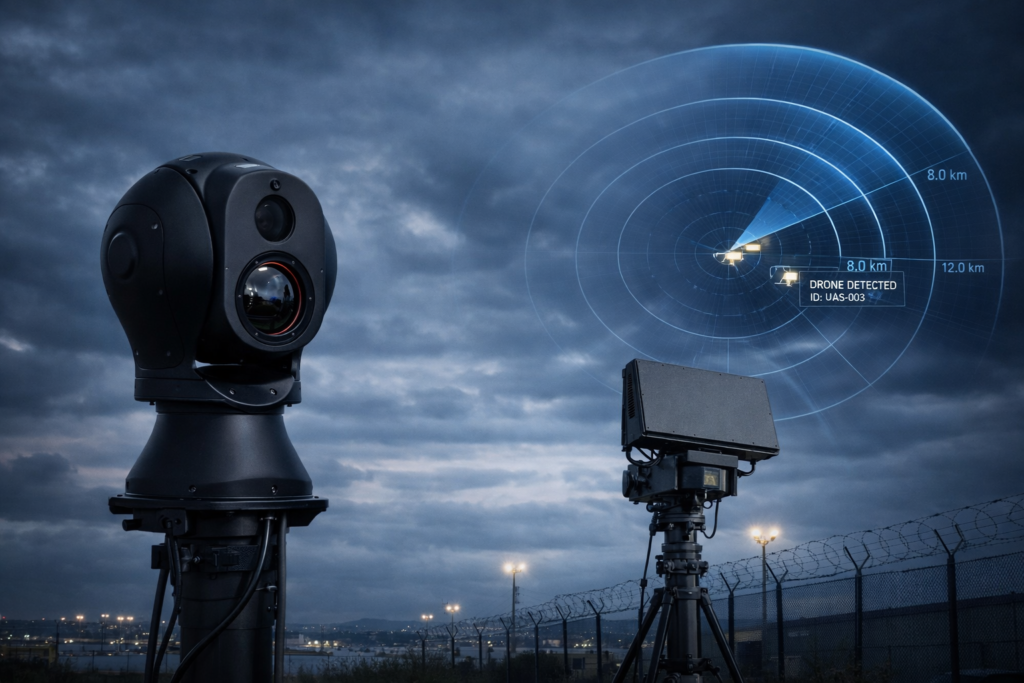

Radar Detection
Long-range radar continuously detects and tracks low-altitude UAV targets under all-weather conditions, generating position, speed, and altitude data.
Radar Cueing
Real-time radar tracking data cues the EO system for accurate pointing, enabling fast target handover and automatic tracking.
EO Identification
EO sensors provide visual confirmation and classification using visible-light and thermal imaging for day and night operations.
Unified Air Picture
Radar and EO data are fused into a unified low-altitude air picture, supporting command systems and downstream response workflows.
Representative EO & Radar Detection Units
Core sensing units deployed in EO and radar–based low-altitude surveillance systems
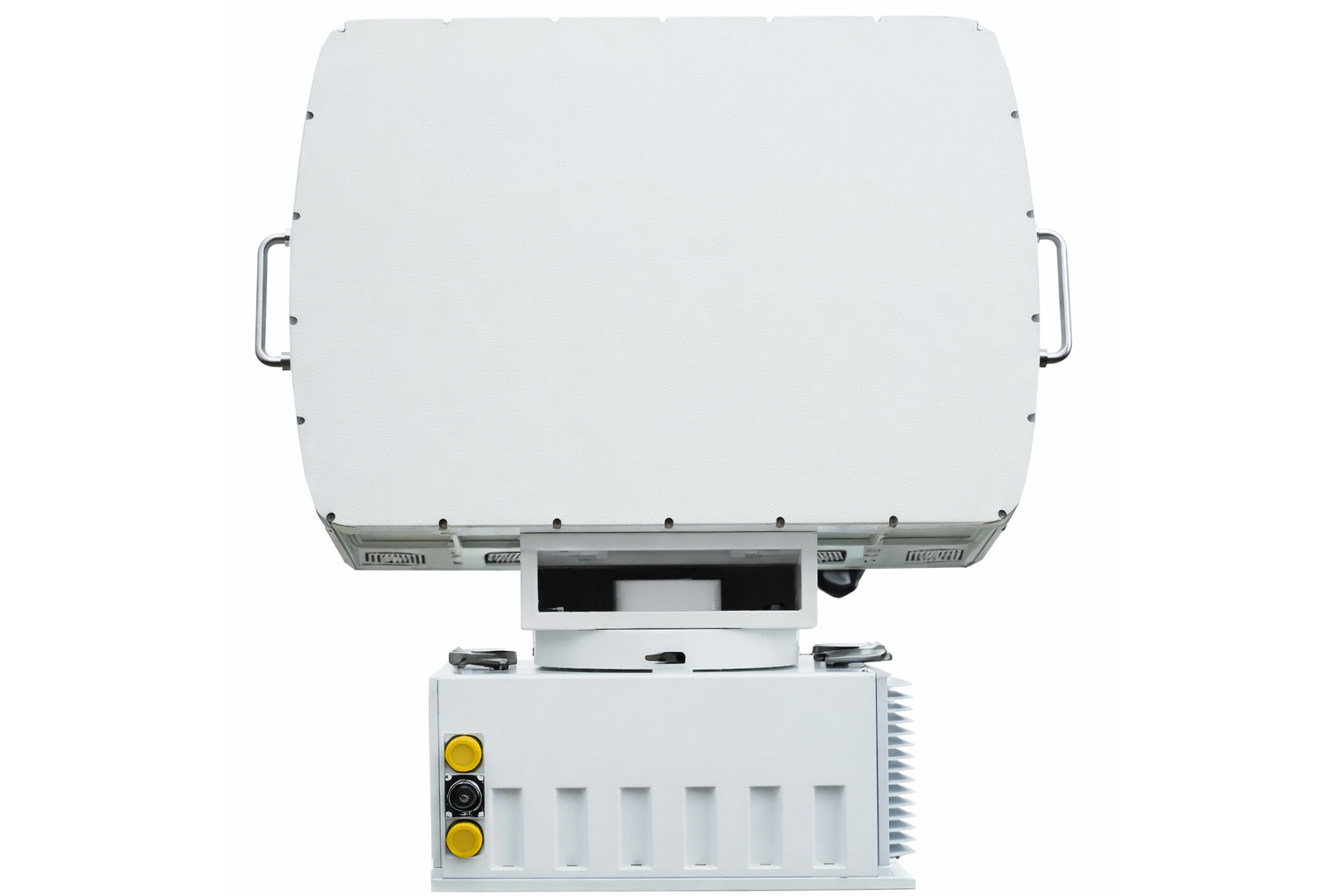
AS120 Radar Detection Equipment
Low-altitude surveillance radar for detecting and tracking low, slow, small targets such as drones and birds. Outputs multi-dimensional target information including range, azimuth, elevation, speed, altitude, and intensity to form a 3D low-altitude situation picture.
View Details →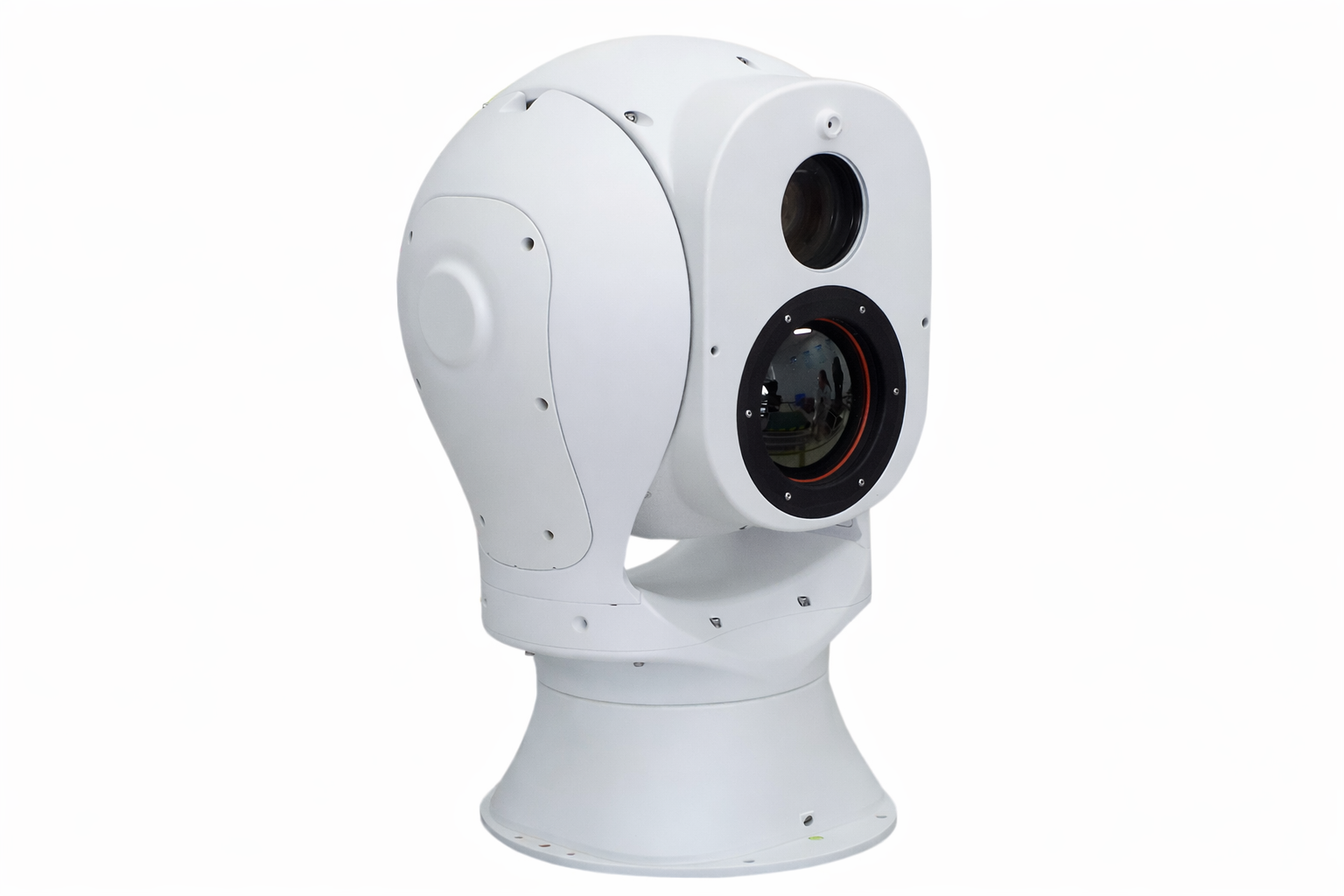
AS260Q Spherical EO Detection System
Multi-spectral EO/thermal recognition and tracking integrated system with day/night complementary imaging for 24-hour monitoring. Supports radar-guided and automatic tracking. Typical tracking distance (DJI P4): HD visible-light 2–5 km; cooled MWIR 2–4 km; uncooled thermal 1–2 km.
View Details →